Author : Unzila Siddiqui

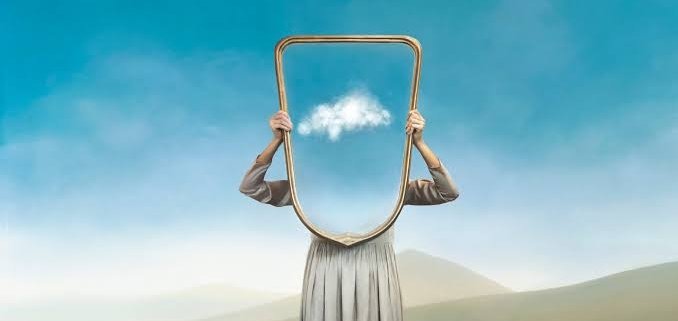
It has been a long time since we last spoke to the mirrors hanging on our living room walls. We stand before them daily, smoothing out the creases in our attire, applying fresh colors to mask the lines of age, and granting ourselves a reassuring smile before stepping out into the marketplace of the world. Yet, all of this remains merely a display of the exterior a carefully orchestrated performance for public consumption. We rarely pause to ask the glass a deeper question: what do the features of the human being hidden inside this vessel of clay actually look like? How bright is its true color, or has it been obscured by the heavy dust of compromise and expediency? The truth is, we have become so consumed by the act of presenting a curated face to the world that we have grown terrified of facing our own inner reflection.


The mirror of the soul is notoriously unforgiving. It pays no heed to rank, social stature, political clout, or the spotless elegance of one’s attire. It reflects a person precisely as they are in the eyes of the Divine, or during those absolute loneliest moments when the applause of the crowd dies down. The grand tragedy of our contemporary society lies in the profound chasm that has opened between our public personas and our private realities. We gather in assemblies to lecture on justice, our tongues spin refined pearls of culture and decency, and our pens write grand elegies to truth. But the moment we retreat into the private circle of solitude where no human eye can pierce our moral grandeur collapses like a house of cards.


A mystic once remarked, “If you wish to know the truth of your inner self, observe what you do when you believe no one in the world is watching.” This sentiment, despite its apparent simplicity, carries an ocean of quiet reproach. We live in an era where the benchmark for righteousness has dwindled to merely “not getting caught.” As long as our flaws remain veiled from public scrutiny, we are deemed honorable, intellectual, and credible. Yet, the moment the internal debris spills out, we realize that what we mistook for virtue was nothing more than the triumph of a well-maintained curtain. This duality has burdened our collective consciousness to such an extent that we now find ourselves yearning for genuine joy and true peace of mind.


If we closely observe the social landscape around us, a striking contradiction reveals itself at every turn. The very class entrusted with guarding the moral fabric of society often leaves us in deep despair when we glimpse their private corners. Individuals occupying positions of immense influence, tasked with shaping the destiny of the public, frequently possess inner worlds so constricted that there is only room left for ego, avarice, and self-interest. But is this grievance limited only to those in the corridors of power? It is not. This affliction has spread through our collective culture like an epidemic. Even at the grassroots level of our neighborhoods, we fall prey to this double standard. We are instantly ready to convene a court over the minor flaw of a neighbor, yet we dismiss our own gravest transgressions as a mere “necessity of the times.”


A major catalyst for this apathy is that we have stifled that faint, persistent voice of conscience which once checked our every misstep. Initially, when a person errs, the internal mirror clouds over, and a sharp pang of guilt is felt. However, when the act is repeatedly committed, the conscience becomes heavily rusted by rationalization, until wrongdoing no longer feels wrong at all. We have comforted ourselves by rebranding our falsehood as ‘discretion,’ our greed as ‘strategy,’ and our moral indifference as ‘maturity.’ It is precisely from this point of self-deception that the definitive decline of any civilization begins.


When we constantly live behind a mask, a subtle psychological toll is exacted upon our well-being. We begin to fear the truth, not because it is inherently dangerous, but because it threatens the delicate architecture of the falsehoods we have built around ourselves. We spend an exhausting amount of energy maintaining appearances, managing perceptions, and defending our public facades. In doing so, we lose the capacity for authentic human connection. Relationships become transactional, conversations lose their warmth, and empathy is replaced by cold calculation.


Reflecting with gentleness and empathy, one must ask: is this life truly meant to be squandered in such perpetual contradiction? Will we ever reach a point where we can look into our own eyes with absolute confidence and say, “Yes, I am the same within as I appear without”? The solitary escape from this crisis demands the quiet courage to practice self-reckoning. We must stop pointing fingers at others and instead begin the difficult work of wiping clean the internal glass that has become caked with the grime of hypocrisy.


No journey of transformation ever begins from the outside. Until the sun of truth rises within the realm of our own hearts, it is impossible for light to illuminate the world around us. Let us, today, discard the masks of convenience, peer deep into our own existence, and recognize the inner reflection that constitutes our true reality. There is still time to align our outer appearance with our inner truth—before the unsparing hand of mortality strips away our fragile disguises forever, leaving us standing bare before the court of history.
 

By Unzila Siddiqui

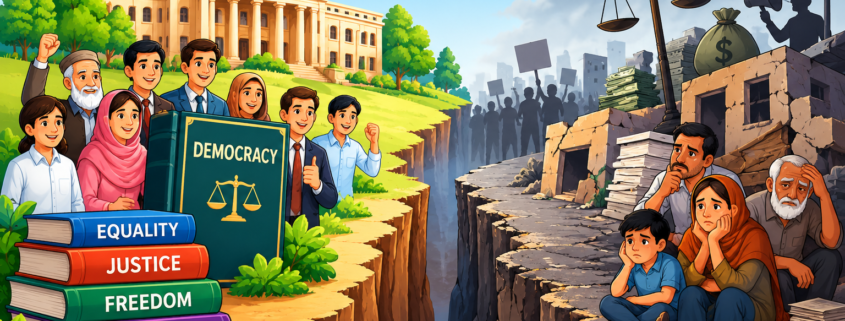
From high political corridors to local neighborhood tea stalls, few words resonate as frequently or evoke as complex a mix of hope and bitterness as “democracy”. Democracy is far more than a mere mechanism of governance; it is a profound philosophy anchored in public sovereignty, the protection of fundamental rights, and the creation of an equitable society. The true beauty of democracy lies in the principle that power stems not from a single ruler or an elite oligarchy, but from the ordinary citizen standing patiently in line under a scorching sun to cast a ballot and shape the nation’s destiny. Yet, when this noble ideal is weighed against our daily realities, a stark contradiction emerges. Grand claims of democratic ideals notwithstanding, the common citizen’s daily struggle for survival remains an unaddressed and haunting question.

Human history bears witness that the tree of democracy has always been nourished by the aspirations of the people. Its primary objective was to ensure that citizens hold the first claim over state resources—a true welfare state providing accessible justice for the marginalized, medicine for the sick, books for the child, and shelter and dignified employment for all. In literary terms, democracy is the art of healing collective human pain. Regrettably, over time, our national understanding of democracy has been reduced to a five-year electoral spectacle. During elections, the voter is briefly elevated to royalty, showered with promises and attention. Yet, the moment the votes are counted and power is secured, the public is promptly pushed back into the dark well of their pre-existing struggles.

A glance at our societal structure reveals an exhausting list of fundamental issues that have remained frozen for decades. Crippling electricity shortages, the absence of clean drinking water, overflowing sewage in residential streets, and relentless inflation have collectively broken the back of the salaried and respectable middle class. An ordinary citizen wakes each morning burdened by immediate anxieties: how to secure the day’s meals, pay school fees, or cover medical costs should an ailing parent or child fall ill. These fundamental struggles stand as a quiet indictment of any democratic framework where a ruling class enjoys opulent lifestyles while the general populace struggles for basic sustenance.

Politicians frequently argue that democratic institutions require time to mature and yield fruit. While institutional growth is undeniably a gradual process, should the passage of time serve merely as a test of public endurance? The essential pillars of democracy remain accountability and true public representation. When citizens elect representatives to parliament, they expect the struggles and grievances of their constituencies to echo within the highest legislative hall. Instead, parliamentary proceedings are too often dominated by partisan rancor, mutual accusations, and the hasty passage of laws designed to protect political self-interest, while the fate of the average voter remains unchanged.

This disconnect is further compounded by a widespread lack of basic education and civic consciousness. Democracy yields its finest results when voters are informed and capable of evaluating performance beyond tribal loyalty, caste, or emotional slogans. Historically, public access to meaningful education and political awareness has been neglected, keeping the populace confined within narrow boundaries. Until ordinary citizens fully understand their rights and civic responsibilities, choosing leaders capable of delivering genuine progress remains difficult. In literary terms, the lamp of democracy cannot burn with full brilliance amid the darkness of ignorance.

It has become a routine political habit to deflect responsibility by blaming previous administrations or structural flaws in the system. Such apologetic explanations no longer suffice to comfort a struggling public. Democracy is fundamentally defined by delivery—by its ability to provide tangible relief to the people. When a system fails to guarantee safety, justice, and basic necessities, its relevance fades in the eyes of the common citizen. This failure fosters widespread cynicism, which is the most toxic element a society can absorb. When people lose faith in law and governance, anxiety and instability take root, eroding the structural foundation of democracy itself.

To move forward, we must breathe authentic soul into the democratic framework. Democracy must transcend textbook definitions and rhetorical speeches to become a living, tangible reality reflected in the public’s standard of living. Rulers must step outside executive compounds and directly experience the pressures confronting everyday citizens. They must recognize that until a laborer receives fair wages before his sweat dries, until a farmer obtains just compensation for his crop, and until every citizen feels secure beneath the state’s protective umbrella, the democratic journey remains incomplete.

The true essence of democracy resides in constructive dialogue and dedicated public service. Political rivalry between government and opposition is a natural feature of democratic systems, but failing to unite on core public interests is a profound tragedy. Vital areas such as healthcare, education, and employment require an enduring national consensus that transcends political divides and puts human welfare above partisan gain.

Ultimately, the success of any political system is judged by how compassionately it protects its most vulnerable citizens. Democracy remains an ideal system, provided it is implemented in its true spirit. Bridging the divide between philosophy and reality requires no magic wand, but rather sincere intent, an empathetic heart, and sustained effort. The public has grown weary of unfulfilled promises and now demands meaningful action and lasting solutions. For democracy belongs to the people, and the people are its true and ultimate purpose.

By Unzila Siddiqui


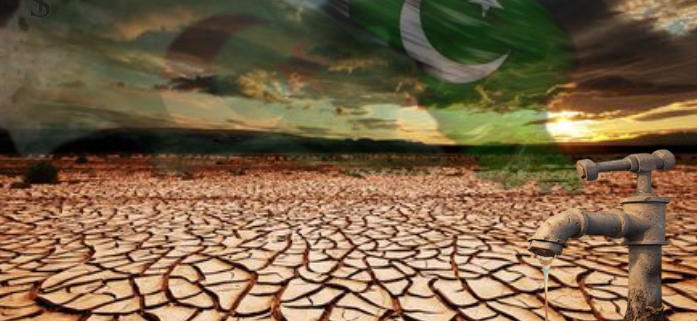
It is said that life itself was drawn from water, yet if one looks closely at the current stream of our existence, we appear to be drifting toward a desert where thirst will scorch not merely our throats, but our very future. In Pakistan, we have witnessed political rivalries, power struggles, and the turbulence of economic storms; however, a silent and terrifying battle knocking at our doorsteps is the “water war”. This is not a distant crisis awaiting us in some far-off century, but a stark reality standing directly on our threshold today.


In the modern world, it is no secret that future global conflicts will be fought not over petroleum or ideologies, but over single drops of water. Pakistan, once known as the land of five rivers, is rapidly climbing the list of the world’s most water-stressed nations. Comparing our present to our past brings deep anguish. Where we once possessed an abundance of water, our sheer negligence, poor planning, and the hydrological aggression of neighboring nations have brought us to a junction where every drop has become a vital asset.


A glance at our hydro-politics reveals that the Indus Waters Treaty—which maintained a delicate balance in Pak-India relations for decades—is now shadowed by growing uncertainty. India’s construction of controversial dams on western rivers and its attempts to divert river flows are not minor technical disputes; they represent calculated water aggression with the power to desolate Pakistan’s agriculture and economy. Our primary tragedy is that despite foreseeing this external threat, we have failed internally to build effective safeguards.


It remains a flaw in our national psyche that we rarely awaken until a crisis reaches a breaking point. Our water storage capacity is virtually non-existent. Every year during the monsoon season, billions of cubic feet of freshwater flow unused into the sea, only for us to yearn for single drops a few months later. Decades of political infighting over major dam construction have inflicted losses that coming generations are now forced to bear. The distribution of water among provinces has become a perpetual dispute, where short-term political scoring routinely overrides long-term vision.


Beyond state policies, our daily habits reflect a disturbing disregard. In major cities like Lahore, Karachi, and Islamabad, the groundwater table has plummeted by hundreds of feet, turning water scarcity into a daily nightmare. The carelessness with which we waste precious drinking water on washing vehicles and hosing down courtyards proves that we are marching blindly toward a parched future. Should this conduct persist, the day is not far when urban centers witness violent clashes over drinking water.


Agriculture, the backbone of our economy, bears the heaviest brunt of this crisis. We remain tied to outdated, flood-irrigation methods where a vast portion of water is squandered. While the modern world uses drip irrigation and sprinkler systems to maximize yield with minimal water, we rely on obsolete practices that flood entire fields. Farmers are distressed, lands are turning barren, and soil salinity continues to spread. If our agriculture remains starved of water, a national food security crisis of unimaginable proportions will follow.


In this precarious situation, time is short and the work ahead is immense. The hour for speeches, seminars, and policy papers on paper has passed; immediate action is required. The government must declare a national water emergency on a war footing. Constructing both small and large water reservoirs must be prioritized above political divides. Simultaneously, robust international diplomacy is essential to address water disputes with India and protect our lawful river rights.


Above all, public awareness must be cultivated. Conserving water ought to be embraced as both a national duty and a moral obligation. From school curricula to media broadcasts, the value of water must be taught so that the younger generation grasps the gravity of this threat.


This silent water war is not the concern of a single political party, government, or province; it is a matter of Pakistan’s survival. If we fail to address our thirst today, protect our rivers, and stop the waste, history will remember us as an unwise society that turned its own future into a mirage. Time is slipping away, and the falling currents of our rivers continue to warn us. May we awaken before it is too late.

By : Unzila Siddiqui

When one contemplates the grand sweep of human history, an overwhelming stillness and suffocating despair often emerge. The earth has endured epochs wherein the intrinsic worth of human existence was utterly negated, the frail breath of the vulnerable hung upon the fleeting whims of the powerful, and infant daughters were silently interred beneath the soil out of a misplaced sense of societal dishonor. Malice ran so profoundly deep that minor disputes ignited blood feuds enduring for generations. Humanity wandered in frantic search of a benevolent sanctuary—a merciful hand to soothe its burdened heart and apply a gentle balm to its agonizing wounds.

Then, across the sun-drenched expanse of the Arabian desert, a blessed new dawn descended, fundamentally altering the fabric of the universe. A transcendent persona arrived whose very presence breathed vibrant life into a desolate world—sent by the Almighty not merely for a single city or clan, but as an all-encompassing “Mercy to the Worlds” (Rahmat-ul-lil-Alameen) for every grieving soul.

As the poet so exquisitely captured this universal truth:

He who earned the title of Mercy among Prophets,

Who fulfilled the hopes of the impoverished,

Who came to the aid of strangers in distress,

And shared the sorrows of both his own and the foreign.

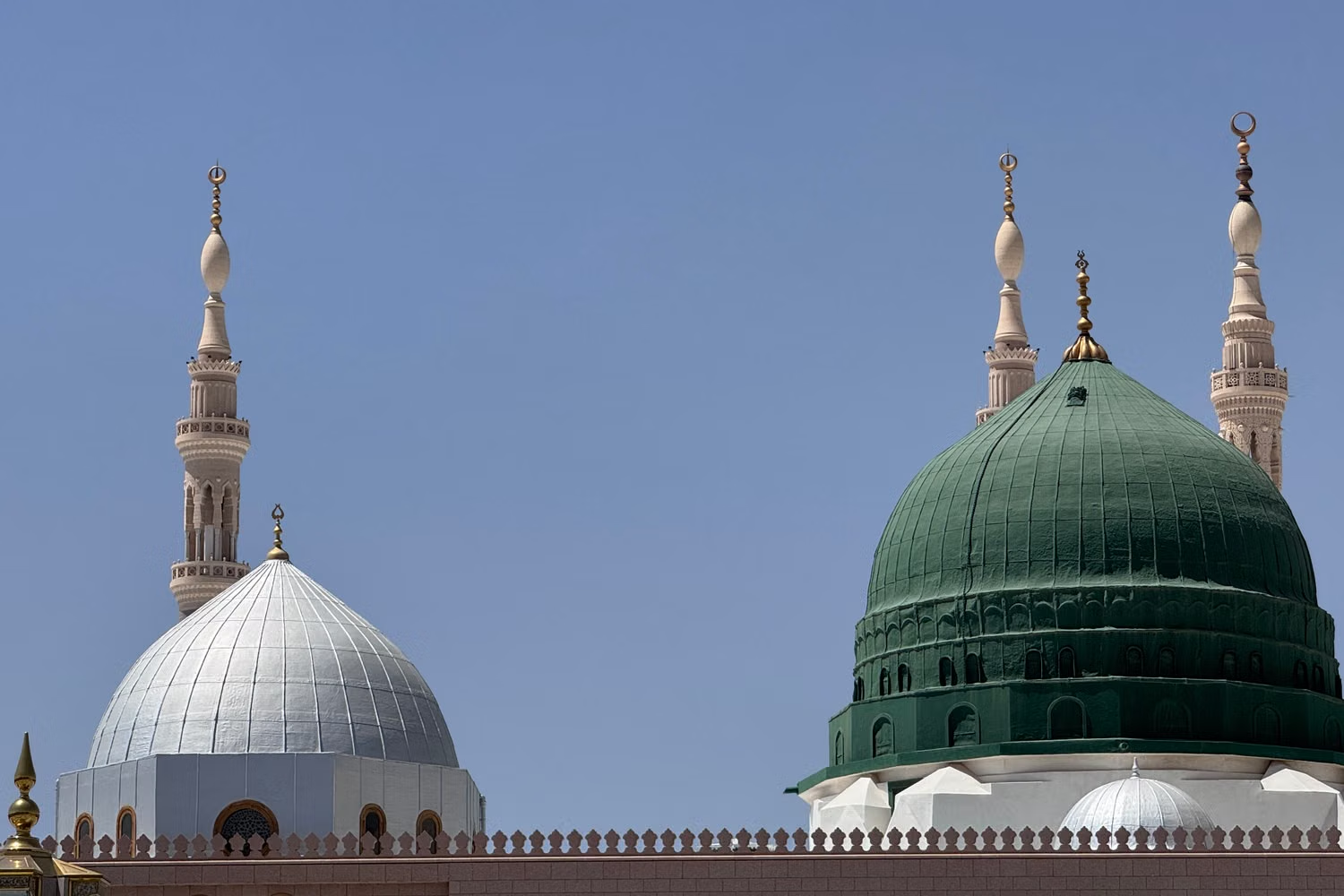
These lines transcend mere poetic arrangement; they capture an eternal reality validated by every passing moment of time. The Prophet’s ﷺ sacred person stood as a sprawling, shadowy tree beneath which every weary, rejected, and sorrow-laden soul found enduring tranquility.

In today’s relentless and self-absorbed existence—where individuals meticulously accumulate material possessions yet drift increasingly apart from one another—we stand in desperate need of this Prophetic grace. The Prophet’s ﷺ inherent gentleness and forbearance were never superficial displays; they constituted the very fragrance of his pristine character. Whenever he addressed anyone, his voice radiated the compassionate warmth of maternal affection, imbued with profound sweetness. In a society where men drew swords over trivial slights, he elevated a simple smile and a kindly word to the status of continuous charity and the pinnacle of moral elegance.

The Quranic verse resonates powerfully within the soul: It was by the mercy of Allah that you were lenient with them. If you had been rude in speech and harsh in heart, they would have disbanded from around you. This stands as a sublime declaration that the art of winning human hearts is rooted entirely in unreserved gentleness and selfless empathy.

Picture that sacred courtyard where the destitute and disenfranchised approached, only to be received with deep reverence and undivided attention. Free from the pomp of power or the formidable barriers of status, his gatherings erased the distinction between monarch and mendicant as effortlessly as dawn dispels the night. Every individual present departed with the conviction that they were the most cherished soul in the eyes of the Prophet ﷺ. It was this sublime moral sweetness that melted hearts previously hardened like flint and consumed by vengeance.

Our contemporary society finds itself ensnared in a troubling matrix of impatience, bitterness, and relational isolation. We routinely clash over trivialities; our expressions grow sharp and our tones increasingly severe. We erroneously assume that sternness or raised voices can resolve complex human affairs, yet the domain of the heart is never subjugated by force. Hearts are won exclusively through dignity, affection, and gentleness.

Consider that monumental historical juncture: the Victory of Makkah. Returning to the city from which he had once been forced to depart in deep anguish—where thorns were scattered across his path and his kin endured unrelenting persecution—the Prophet ﷺ achieved absolute moral and spiritual triumph. While thousands of devoted companions awaited his slightest command, he harbored not a fraction of resentment. Smiling, he inquired of his former oppressors: “What do you expect of me today?” They responded: “You are a noble and merciful brother.” Thereupon, the Mercy to the Universe ﷺ declared: “No reproach falls upon you today; go, for you are all free.”

Subsuming the sword beneath the flower of forgiveness was a moral conquest that interred centuries of entrenched animosity in a single moment. Such was the boundless mercy that enveloped friend and foe alike within its protective fold.

Moreover, this compassion was never restricted to humanity alone. Observing tears welling in the eyes of an overworked camel, he summoned its owner and explicitly forbade the overburdening of animals. He similarly prohibited the wanton destruction of trees—instituting comprehensive ethical standards for animal welfare and environmental stewardship long before the modern lexicon of rights ever emerged.

The celestial dew that falls upon our hearts from his luminous biography offers a single, profound imperative: we must cleanse our demeanor of the dust of bitterness. If our spoken words can alleviate the burden of a heavy heart, if our writings can rekindle a flickering spirit, and if our actions can uplift the vulnerable in our midst, we truly embody the essence of his noble path.

Let us candidly evaluate our personal conduct today. Let us purge our hearts of the residue of prejudice, rancor, and malice. The antidote to the pervasive apathy of our times resides uniquely in Prophetic leniency and grace. That divine mercy was bestowed upon all realms—for every seeker of peace, dignity, and moral refinement.

If we claim genuine devotion to his august persona, then that gentleness, resilience, and spirit of forgiveness must illuminate our daily discourse, our domestic lives, and our literary expressions. For a suffering world no longer requires austere intellectual debate; it yearns for the sublime love and gentleness found only at the threshold of the Prophet ﷺ.

By: Unzila Siddiqui

Column: reflection of mirror

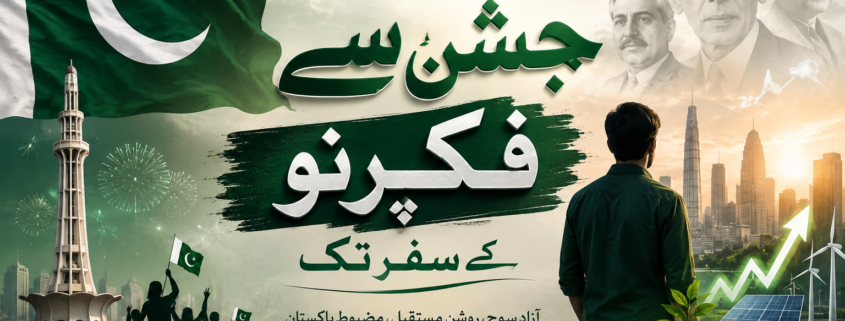
Every year as the month of August dawns, the air fills with an inexplicable surge of enthusiasm and emotional fervor. Green and white crescent flags fluttering in the streets, small paper flags held tightly in children’s hands, and buildings glowing under night lights proclaim that a nation is celebrating the birthday of its homeland. August 14 is not merely a date on the calendar; it is a gentle reminder of our love for this sacred land and its existence—a solemn pledge whose foundations were laid by our forefathers through monumental sacrifices, boundless hope, and dreams of a brighter future.

Yet, amidst all this excitement and fervor, one occasionally encounters scenes that bring a quiet sorrow to the heart, compelling us to pause and reflect. Just yesterday, I was standing at a vibrant stall observing the bustling crowds preparing for Independence Day celebrations. People of all ages—young and old—were eagerly buying green and white clothes, badges, and national flags. My heart warmed at this expression of devotion, but in that very moment, my eyes fell upon the ground: a small piece of the sacred crescent flag lay discarded in the dust.

What struck me with profound disbelief and pain was that scores of people walked past it. Adults and children alike continued their shopping spree with unabated zeal, yet no one noticed the flag beneath their feet, nor did anyone bother to bend down and pick it up. We were enthusiastically buying the flag, yet we seemed to have forgotten the true reverence it demands. Perhaps we forget that the soul of this beloved homeland is anchored in the belief “La ilaha illallah” (There is no deity except Allah), and that our dignity, honor, and identity endure only under the protective shadow of this banner. Alas, this disheartening sight repeats itself right after August 14, when the very paper flags we lovingly hung up are left trampled along streets and alleys.

True love for the country is not expressed through loud slogans, blaring horns, or superficial decorations alone. Genuine patriotism demands dignity, earnestness, and deep-rooted respect. We polish our homes until they glisten, yet the very hands that wave the green flag high in the morning do not hesitate to throw empty juice cartons and litter onto our own streets by evening. If we revere this land as a sacred haven, preserving its cleanliness must be our foremost duty.

In these times, what we need above all else is national unity and solidarity. Until we break free from the confines of class, language, and caste divisions to stand united as a single nation, we cannot embark on the path of true progress. August 14 brings us the timeless message that our sole identity is “Pakistan,” and that unity is the ultimate force capable of elevating a nation to greatness.

This August 14, let us not restrict our independence to a routine annual ritual. Instead, let us transform it into a renewed resolve—a commitment defined by honor for our flag, care for our environment, and mutual respect for one another. The true beauty of the green and white banner will soar highest only when the actions and attitudes of the people living beneath it are equally pure and dignified.

باہر وبا کا خوف ہے گھر میں بلا کی بھوک
کس موت سے مروں! زرا رائے دیجئے
لاہور کے علاقہ کاہنہ نو میں واقع (بستی عید گاہ) میں واقع ایک انتہائی افسوسناک واقع رونما ہوا ۔ایک گھر کی چھت گرنے سے 20 بچوں سمیت ایک ٹیچر شدید ذخمی ہوئیں واقعے کے نتیجے میں 14 بچے دنیا فانی سے رخصت ہو گئے اور جو باقی بچے وہ ابھی زخمی حالت میں اسپتال میں زیر علاج ہیں۔ان بچوں کو پڑھا رہی تھیں (حمیدہ بی بی) وہ بھی اس گرنے والی بدقسمت چھت کے ملبے تلے آکر شدید زخمی ہیں اس کے ساتھ ساتھ اس کی ایک بیٹی بھی اس واقعے میں اللہ کو پیاری ہو گئیں۔ اب سوال یہ پیدا ہوتا ہے کہ اس سارے واقع کی زمہ داری آخر کس پر عائد ہوتی ہے حکام بالا پر،مالک مکان پر ،غربت اور بےروزگاری اس سب کی زمہ دار ہے یا پھر وہ بد قسمت استانی جو اپنی محنت کے ساتھ غریب بچوں کو معقول فیس کے ساتھ علم کی روشنی فراہم کر رہی تھی ؟بدقسمتی سے حسب معمول تحقیقاتی اداروں کی رپورٹ آچکی ہے جس میں ٹھیکدار،مالک مکان اور مزدوروں کو زمہ دار قرار دیا گیا ہے ۔ما لک مکان کا کہنا ہے کہ بارش کی وجہ سے گھر کی چھت ٹپکتی تھی ۔ہمارا گزر بسر بڑی مشکل سے ہوتا ہے اور میری بیوی میرا ہاتھ بٹانے کے لئے گھر میں بچوں کو ٹیوشن پڑھاتی ہیں میں خود ایک پھل فروش ہوں اس طرح بڑی مشکل سے ہماری فیملی کا گزر بسر ہورہا تھا ۔مجھے بہت دکھ ہوتا ہے کہ ہمارے حکمران کب ہوش کے ناخن لیں گے ۔ایک دور تھا کہ جب حضرت عمر فاروق کا دور حکومت تھا ۔تو خوف خدا اس قدر تھا کہا گیا کہ!
دریائے فراط کے کنارے اگر کوئی کتا بھی بھوکا مر گیا تو اس کا جواب دہ بھی میں ہوں
ہمارے ہاں تو اتنی بے حسی ہے کہ ساری کی ساری زمہ داری انہیں لوگوں پر ڈال دی جاتی ہے جو پہلے ہی اپنی زندگی بڑی مشکل سے گزار رہے ہوتے ہیں ۔افسوس اس بات پر ہے کہ قیمتی جانیں ضائع ہو گئیں لیکن بجائے امداد کرنے کے الٹا محنت محنت کرنے والوں کو قصور وار قرار دیا گیا ۔اس بات سے کوئی انکار نہیں ہے کہ ان مزدوروں کو کام سے پہلے گائیڈ کیا جاتا اور حفاظتی اقدامات اٹھائے جاتے تو بہت سی قیمتی جانیں بچ جاتیں۔مگر افسوس سے کہنا پڑتا ہے کہ ہمارے ادارے غفلت کی نیند سو رہے ہیں ۔کیا ہمارے ادارے کا کام نہیں ہے کہ وہ تمام بلڈنگ کا معمول کے مطابق معائنہ کرے؟ ایسا کیوں ہے کہ جب بھی کوئی اس طرح کا واقع رونما ہوتا ہے تو فوری طور پر سب ادارے حرکت میں آجاتے ہیں اور کیا ان اداروں کا کام نہیں ہے کے بروقت اس کے لئے حفاظتی اقدامات اٹھائیں تا کہ اس طرح کے کے جانی اور مالی نقصانات سے بچا جا سکے۔
افسوس اس سارے واقع کی زمہ داری بجائے زمہ دار لوگوں پر ڈالنے کے الٹا اس غریب فیملی پر ڈالی جا رہی ہے جو پہلے سے غربت اور بھوک سے جنگ لڑ رہے ہیں اس کے علاوہ جو ٹیچر ہے وہ بھی شدید ذخمی ہے اور زندگی موت کی جنگ لڑ رہی ہے انہیں اس واقع کا زمہ دار قرار دینا انتہائی افسوسناک عمل ہے ۔ایک تو غریب بھوک سے مر رہا ہے اوپر سے یہ ظلم ان لوگوں کو جینے نہیں دیتا۔تعلیم یافتہ افراد کی شرح پہلے ہی بہت کم ہے جس کی بنیادی وجہ بے جا فیس اور ناقص تعلیمی نظام ہیں ایسے میں اگر کوئی انسان اپنی مدد آپ کے تحت غریب کے بچوں کے بہتر مستقبل کے لئے کوشش میں لگا ہے تو اسے مجرم بنانے کی کوشش کی جارہی ہے ۔میری دردمندانہ اپیل ہے حکومت وقت سے کہ ان لوگوں کو مجرم نہ بنایا جائے یہ ایک آزمائش تھی جو اللہ کی طرف سے ہم پر آئی اس آزمائش سمجھ کر آئندہ کے لئے فوری حفاظتی اقدامات کئے جائیں ۔
میں کہیں بھوک سے نہ مرجاوں اے امیر شہر
گر مسقبل ہوں تہماراتو بچا لو مجھ کو
میری سکول ایجوکیشن ڈیپارٹمنٹ سے درخوست ہے کہ فوری طور پر جہاں تعلیم کی بنیادی ضروریات موجود نہیں ہیں وہاں انکی فراہمی یقینی بنائی جائے۔اور ایسے لوگ جو اپنی مدد آپ کے تحت معاشرے میں علم کی روشنی پہلا رہے ہیں انہیں مجرم نہ بنایا جائے۔شکریہ
اذقلم: ندیم احمد ناداں میو

تحریر : انزلہ صدیقی


​موسم بدلتے ہیں تو پرندے اپنی ہجرت کا سفر بدل لیتے ہیں، پتجھڑ کے بعد بہار کی آمد ایک طے شدہ فطری امر ہے، لیکن جب وقت بدلتا ہے تو تاریخ کا رخ بدل جاتا ہے۔ ہم اکثر اپنے اردگرد مٹی کے ڈھیروں، ویران عمارتوں اور ماضی کے آثار کو دیکھ کر سوچتے ہیں کہ زوال کی داستانیں کیسے لکھی جاتی ہیں۔ حقیقت یہ ہے کہ زوال کبھی اچانک اور یکدم نہیں آتا یہ اس وقت بہت آہستہ سے، دبے پاؤں دستک دیتا ہے جب کوئی معاشرہ گھڑی کی ٹک ٹک کو محض ایک آواز سمجھ کر نظر انداز کرنے لگتا ہے۔ تاریخ گواہ ہے کہ جب بھی کسی قوم نے لمحوں کی قیمت چکانے سے انکار کیا، وقت نے اسے اپنے صفحات سے مٹا کر کسی عبرت ناک کہانی کا حصہ بنا دیا۔

​ادب کی دنیا میں کہا جاتا ہے کہ وقت وہ دریا ہے جس کا پانی دوبارہ کبھی آپ کے پاؤں کو نہیں چھوتا۔ جو قطرہ ایک بار گزر گیا، وہ اب ایک قصہ ہے، ایک یاد ہے یا پھر ایک پچھتاوا۔ حیرت ہوتی ہے کہ ہم اس مٹھی سے پھسلتی ہوئی ریت کو روکنے کی الٹی سیدھی کوششیں تو کرتے ہیں، مگر اس کے درست استعمال کا ہنر سیکھنے سے کتراتے ہیں۔ دنیا کے نقشے پر اگر نظر دوڑائی جائے، تو جن خوابوں کی تعبیریں آج فلک بوس عمارتوں، معاشی استحکام اور جدید ایجادات کی صورت میں دکھائی دیتی ہیں، ان کے پیچھے کوئی جادوئی چراغ نہیں تھا، بلکہ وقت کی قدر کا وہ گہرا احساس تھا جو ان قوموں نے اپنے قومی منشور کا پہلا صفحہ بنا لیا تھا۔ انہوں نے یہ بات جان لی تھی کہ جو قوم سورج نکلنے کے بعد بیدار ہوتی ہے، وہ کبھی دنیا کی قیادت کا خواب نہیں دیکھ سکتی۔

​ہمارے سماجی رویوں میں ایک عجیب سا تضاد بن چکا ہے۔ ہم اچھے دنوں کا انتظار تو بہت بے صبری سے کرتے ہیں، مگر ان دنوں کو اچھا بنانے کے لیے درکار محنت، عزم اور وقت کی منظم سرمایہ کاری سے ہمیشہ پیچھا چھڑاتے ہیں۔ ہم گھنٹوں بے مقصد بحث و مباحثے، لاحاصل سوشل میڈیا کی دنیا اور لایعنی محفلوں میں گنوا دیتے ہیں، اور پھر شام کو چائے کی پیالی پر گلہ کرتے ہیں کہ حالات نہیں بدل رہے۔ ہم یہ بھول جاتے ہیں کہ حالات خود نہیں بدلتے، انہیں بدلنے کے لیے لمحوں کو پسینے سے سینچنا پڑتا ہے۔ تبدیلی کسی معجزے کا نام نہیں، یہ روزمرہ کے ان چند لمحوں کی حفاظت کا نام ہے جنہیں ہم اکثر “چلو کل کر لیں گے کہہ کر سرد خانے کی نذر کر دیتے ہیں۔ یہ کل دراصل وہ خوبصورت سراب ہے جو انسان کو کبھی منزل کے قریب پہنچنے نہیں دیتا، بلکہ ایک ہی دائرے میں گھماتا رہتا ہے۔

​اگر ہم گہرائی میں جا کر دیکھیں تو وقت کی بے قدری صرف ایک انفرادی مسئلہ نہیں ہے، بلکہ یہ ایک پورے معاشرتی ڈھانچے کا المیہ بن چکا ہے۔ ہمارے ہاں تقریبات کا دیر سے شروع ہونا، دفتری امور میں تاخیری حربے استعمال کرنا اور ملاقاتوں کے طے شدہ وقت کی پاسداری نہ کرنا اب ایک عام سی بات سمجھا جاتا ہے۔ ہم نے اسے “روایت” کا نام دے کر اپنی سستی کو چھپانے کا ایک مستقل بہانہ تراش لیا ہے۔ جب ایک عام شہری سے لے کر اعلیٰ ترین سطح تک وقت کی اس طرح پامالی کی جائے، تو وہاں ترقی کی رفتار خود بخود سست ہو جاتی ہے۔ دنیا کی ترقی یافتہ قوموں نے اپنی عدالتوں، اپنے اسکولوں اور اپنے کارخانوں میں سب سے پہلا نظم و ضبط وقت کا قائم کیا۔ وہاں ایک منٹ کی تاخیر کو ایک جرم کی طرح دیکھا جاتا ہے، کیونکہ وہ جانتے ہیں کہ ضائع شدہ منٹ کبھی لوٹ کر نہیں آتے۔

​چراغ تبھی روشن رہتا ہے جب اس میں باقاعدگی سے تیل ڈالا جائے اور اس کی لو کی حفاظت کی جائے۔ بالکل اسی طرح، کسی بھی سماج کی معاشی اور اخلاقی ترقی کا دارومدار اس بات پر ہے کہ اس کے افراد اپنے آج کو کتنی اہمیت دیتے ہیں۔ جب تک ہم وقت کی اس انمول دولت کو بے دردی سے لٹاتے رہیں گے اور اپنی ناکامیوں کا ملبہ دوسروں پر ڈالتے رہیں گے، تب تک ہم صرف دنیا کی کامیابیوں پر دور کھڑے ہو کر تالیاں بجانے کے قابل ہی رہ جائیں گے۔ تاریخ کا قلم بڑا بے رحم اور منصف ہوتا ہے؛ یہ ان کا نام سنہرے حروف میں لکھتا ہے جو وقت کی نبض پر ہاتھ رکھنا جانتے ہیں، جو صبح کی پہلی کرن کے ساتھ اپنے مقاصد کی تلاش میں نکل کھڑے ہوتے ہیں، اور یہ ان قوموں کو گمنامی کے اندھیروں میں دھکیل دیتا ہے جو صرف گھڑی کی سوئیاں دیکھ کر دن گزرنے کا انتظار کرتی ہیں۔

​ترقی کا راز بڑی بڑی تقریروں یا کاغذی منصوبوں میں نہیں، بلکہ اس خاموش عمل میں چھپا ہے جو روزانہ کی بنیاد پر ہر فرد اپنے دائرہ کار میں سرانجام دیتا ہے۔ جب ایک استاد وقت پر کلاس میں پہنچتا ہے، جب ایک مزدور اپنے کام کے گھنٹوں دیانتداری سے پورے کرتا ہے، اور جب ایک دکاندار اپنے وقت کو گاہکوں کے ساتھ سچائی کی بنیاد پر استعمال کرتا ہے، تو وہ قوم ترقی کی شاہراہ پر گامزن ہو جاتی ہے۔ ہمیں یہ سمجھنا ہوگا کہ کسی بڑے معجزے کی امید میں ہاتھ پر ہاتھ دھرے بیٹھے رہنا بذاتِ خود وقت کے ساتھ سب سے بڑا مذاق ہے۔

​آج سوچنے کی اصل بات یہ ہے کہ کیا ہم اب بھی اسی پرانی ڈگر پر چلتے رہیں گے یا اپنے انفرادی اور اجتماعی رویوں میں وہ ٹھہراؤ، سنجیدگی اور نظم و ضبط لائیں گے جو ایک باوقار قوم کا حقیقی شیوہ ہوتی ہے؟ کیا ہم وقت کی اس لہر کے ساتھ بہتے چلے جائیں گے یا اس کا رخ موڑنے کی جرات کریں گے؟ فیصلہ کسی اور کا نہیں، ہمارا اپنا ہے، کیونکہ وقت کی بساط پر مہرے بڑی تیزی سے پلٹ رہے ہیں اور گزرتے ہوئے لمحے کسی کے لیے بھی اپنی رفتار سست نہیں کرتے۔ اگر آج بھی ہم نے بیداری کا ثبوت نہ دیا، تو آنے والی نسلیں ہماری سستی کا خمیازہ بھگتیں گی اور تاریخ ہمیں کبھی معاف نہیں کرے گی۔

​تحریر: انزلہ صدیقی

انسانی معاشرے کی بنیاد جس بنیادی اینٹ پر رکھی گئی ہے، اسے ‘برداشت’ کہتے ہیں۔ کائنات کا پورا نظام ایک خاص توازن اور باہمی ہم آہنگی سے چل رہا ہے۔ درخت زمین سے جڑے ہیں، دریا اپنے راستوں پر رواں ہیں، اور رات دن کو راستہ دے رہی ہے۔ اس پورے نظام میں ایک دوسرے کے وجود کو تسلیم کرنے کا ایک خاموش معاہدہ موجود ہے۔ لیکن جب ہم انسانی معاشرت، اور بالخصوص اپنے سیاسی منظر نامے پر نگاہ ڈالتے ہیں، تو روح کانپ اٹھتی ہے۔ ایسا لگتا ہے جیسے ہم نے اختلافِ رائے کو ایک گناہِ کبیرہ بنا دیا ہے اور سیاست، جو کبھی نظریات کی جنگ اور عوامی خدمت کا ذریعہ ہوا کرتی تھی، اب محض ذاتی دشمنی اور انا کا اکھاڑا بن چکی ہے۔ سیاست میں برداشت کا یہ فقدان ہمارے پورے معاشرتی ڈھانچے کو دیمک کی طرح چاٹ رہا ہے۔


اگر ہم ماضی کے دریچوں میں جھانکیں، تو سیاست کا ایک انتہائی خوبصورت اور باوقار چہرہ سامنے آتا ہے۔ ایک ایسا دور بھی تھا جب سیاسی رہنما پارلیمنٹ کے اندر ایک دوسرے پر سخت ترین تنقید کرتے تھے، لیکن جیسے ہی ایوان سے باہر نکلتے، تو ایک دوسرے کے ساتھ چائے کی پیالی پر بیٹھ کر مسکراتے ہوئے گفتگو کرتے تھے۔ وہ نظریات کے مخالف تھے، ایک دوسرے کے وجود کے دشمن نہیں تھے۔ ان کا لہجہ تلخ ضرور ہوتا تھا، لیکن اس تلخی میں بھی ایک رکھ رکھاؤ، ایک تہذیب اور ایک ادبی چاشنی ہوا کرتی تھی۔ وہ لفظوں کا چناؤ اس طرح کرتے تھے کہ بات بھی پوری ہو جائے اور سامنے والے کی عزتِ نفس پر حرف بھی نہ آئے۔ مگر آج کا سیاسی منظر نامہ اس کے بالکل برعکس ہے۔ اب گفتگو میں دلیل کی جگہ چیخ و پکار نے لے لی ہے ۔


کسی بھی معاشرے کی پختگی کا اندازہ اس بات سے نہیں لگایا جاتا کہ وہاں سب کی رائے ایک ہے، بلکہ اس بات سے لگایا جاتا ہے کہ وہاں مختلف آراء کو کتنی عزت اور احترام کے ساتھ سنا جاتا ہے۔


برداشت کا مطلب یہ ہرگز نہیں کہ آپ دوسرے کی بات سے اتفاق کریں۔ برداشت کا اصل مفہوم یہ ہے کہ آپ کو دوسرے کے اختلاف کرنے کے حق کو تسلیم کرنا ہوگا۔ جمہوریت کا حسن ہی اس بات میں ہے کہ یہاں ہر رنگ، ہر نسل اور ہر نظریے کے انسان کو اپنی آواز اٹھانے کا حق حاصل ہو۔ جب ہم سیاست سے اس حسن کو چھین لیتے ہیں، تو جمہوریت ایک ایسی آمریت کی شکل اختیار کر لیتی ہے جہاں صرف ایک ہی آواز کو درست مانا جاتا ہے۔ آج ہماری سیاست میں یہ چلن عام ہو چکا ہے کہ جو میرے ساتھ نہیں، وہ ملک کا خیر خواہ نہیں ہو سکتا۔ یہ سوچ انتہائی خطرناک ہے، کیونکہ یہ معاشرے کو دو حصوں میں تقسیم کر دیتی ہے اور محبتوں کی جگہ نفرتوں کی دیواریں کھڑی کر دیتی ہے۔


اس پورے منظر نامے میں سوشل میڈیا نے جلتی پر تیل کا کام کیا ہے۔ جہاں ٹیکنالوجی کو انسانوں کو قریب لانا چاہیے تھا، وہاں اس نے فاصلوں اور تلخیوں میں بے پناہ اضافہ کر دیا ہے۔ آج ہر شخص اپنے ہاتھ میں ایک ورچوئل ہتھیار لیے بیٹھا ہے اور جیسے ہی کسی کی رائے اس کی پسند کے معیار پر پوری نہیں اترتی، وہ اس پر لفظی گولیوں کی بوچھاڑ کر دیتا ہے۔


نرم اور دھیمے لہجے کی طاقت ہمیشہ چنگھاڑنے والی آواز سے زیادہ ہوتی ہے۔ جب آپ دھیمے لہجے میں دلیل کے ساتھ بات کرتے ہیں، تو وہ سننے والے کے دل میں اترتی ہے۔ لیکن جب آپ چیخ کر اپنی بات منوانے کی کوشش کرتے ہیں، تو سامنے والا آپ کی بات سننے کے بجائے اپنے دفاع کی دیواریں اونچی کر لیتا ہے۔ ہماری سیاسی قیادت کو یہ سمجھنے کی سخت ضرورت ہے کہ ان کا ہر بول، ان کا ہر عمل اور ان کا ہر اشارہ لاکھوں انسانوں کے رویوں کی تشکیل کرتا ہے۔ اگر قیادت خود ٹی وی اسکرینوں پر بیٹھ کر غصے، نفرت اور عدم برداشت کا مظاہرہ کرے گی، تو گلی محلوں میں رہنے والے عام کارکن سے تہذیب کی امید کیسے رکھی جا سکتی ہے؟


سیاست میں برداشت کے اس فقدان نے ہماری نوجوان نسل کو سب سے زیادہ متاثر کیا ہے۔ نوجوان، جو کسی بھی قوم کا مستقبل ہوتے ہیں، اب سیاست کو ایک تعمیری عمل کے بجائے ایک تخریبی کھیل سمجھنے لگے ہیں۔ ان کے ذہنوں میں یہ بات بیٹھ رہی ہے کہ کامیابی حاصل کرنے کے لیے بدتمیزی، جارحیت اور دوسروں کو نیچا دکھانا ضروری ہے۔ یہ ایک ایسی فکری پستی ہے جس کے نتائج ہمیں آنے والی کئی دہائیوں تک بھگتنا پڑیں گے۔ اگر ہم نے اب بھی اپنے رویوں پر نظرِ ثانی نہ کی، تو ہم ایک ایسا معاشرہ بن جائیں گے جہاں امن و آشتی کا تصور صرف کتابوں تک محدود رہ جائے گا۔


اختلاف کا ہونا زندگی کی علامت ہے۔ اگر اس دنیا میں سب لوگ ایک ہی جیسا سوچنے لگیں، تو یہ کائنات بے رنگ اور بے جان ہو جائے۔ فکر کا یہ تنوع ہی انسانی ارتقاء کا ضامن ہے۔ ضرورت اس امر کی ہے کہ ہم سیاست میں مکالمے کی روایت کو دوبارہ زندہ کریں۔ مکالمہ وہ راستہ ہے جہاں دو مختلف سوچ کے حامل افراد ایک دوسرے کے سامنے بیٹھتے ہیں، اپنی بات کہتے ہیں اور دوسرے کی بات کو ٹھنڈے دل سے سنتے ہیں۔ مکالمے کا مقصد کسی کو ہرانا یا خود کو سچا ثابت کرنا نہیں ہوتا، بلکہ اس کا مقصد ایک درمیانی راستہ تلاش کرنا ہوتا ہے جہاں سب کا بھلا ہو۔


آئیے، ایک لمحے کے لیے رکیں اور سوچیں کہ ہم اپنے ملک کو کس سمت لے کر جا رہے ہیں۔ سیاست اقتدار کے حصول کا نام نہیں، بلکہ یہ ایک امانت ہے جس کا مقصد عوام کی فلاح و بہبود ہے۔ جب تک ہماری سیاست میں رواداری، درگزر اور ایک دوسرے کے احترام کا جذبہ بیدار نہیں ہوگا، ہم ایک مہذب قوم نہیں بن سکتے۔ وقت کا تقاضا ہے کہ تمام سیاسی دھارے اپنے ذاتی اور سیاسی مفادات سے بالاتر ہو کر ایک میز پر بیٹھیں اور یہ عہد کریں کہ وہ اپنے لہجوں میں نرمی، دلوں میں وسعت اور سیاست میں برداشت کو دوبارہ جگہ دیں گے۔


ہمیں یہ بات ہمیشہ یاد رکھنی چاہیے کہ حکومتیں آتی جاتی رہتی ہیں، اقتدار کے سورج طلوع اور غروب ہوتے رہتے ہیں، لیکن جو چیز باقی رہ جاتی ہے وہ انسان کا کردار اور اس کا رویہ ہے۔ اگر ہم نے سیاست کی اس جنگ میں اپنی اخلاقیات اور تہذیب کو کھو دیا، تو پھر حاصل ہونے والی کوئی بھی فتح دراصل ہماری سب سے بڑی شکست ہوگی۔ اب وقت آ گیا ہے کہ ہم نفرتوں کے اس بازار کو بند کریں اور محبت، اخوت اور برداشت کے چراغ روشن کریں، تاکہ ہماری آنے والی نسلیں ایک پرامن اور مہذب ماحول میں سانس لے سکیں۔


Written By :  Unzila Siddiqui


The sun is spitting fire, the streets are deserted, and even the birds are hiding. We used to say that changing seasons bring color to Pakistan. Now, they just bring dread. By the time June rolls around, it feels as if someone has opened the hatch of a blast furnace directly over our heads. You don’t need a thermometer to tell you this; the melting, shimmering asphalt on the roads of Lahore, Karachi, Sukkur, and Nawabshah is proof enough that we are standing on the edge of an annual disaster.


Every year, the headlines are splashed with terms like ‘heatwave’, ‘heatstroke’, and ‘heat exhaustion.’ But let’s be clear: these are not just medical jargon or dry statistics. They are the bloody, painful stories of human beings breathing their last in overcrowded emergency wards and filling up local mortuaries. It is a tragedy we witness every single year, weep over for a week, and promptly forget.


As a nation, we suffer from a strange blindness. Until the disaster knocks on our own front door, or until one of our own family members collapses, we treat it as “just another news story” and flip the page.


We complain bitterly when the mercury touches 45°C or 50°C, but we conveniently ignore our own guilt. In the name of progress and “modernization,” we have paved over our cities, turning them into concrete jungles. Where dense, shady trees once stood, we built housing societies and commercial plazas. We axed the trees, filled the canals with dirt, and now that the earth is baking, we sit in our air-conditioned rooms wondering why it’s so hot outside. This is nature’s whip, punishing us for our own greed. Climate change is no longer a textbook debate. It is standing on our doorstep, and it’s furious.


Every summer, doctors scream the same warnings into the void: learn the difference between heat exhaustion and heat stroke. It is quite literally a matter of life and death.


Heat exhaustion is your body’s final warning. When you work for hours in the blinding heat, losing water and salt through sweat, your head throbs, you get dizzy, and your body turns to lead. If you stop, move to the shade, and drink water or ORS, you survive. But if you keep pushing, you enter the kill zone: heat stroke. This is where your internal cooling system completely breaks down. You stop sweating. Your temperature shoots up past 104°F. Your brain short-circuits, and you collapse. At that point, you have minutes to live before your organs fail.


But as a columnist, I cannot look at this purely as a medical crisis. There is a dark, ugly class divide hidden behind this heatwave.


The sun is supposed to be the ultimate equalizer—it shines on everyone. But the reality on the ground is brutally unequal. For those privileged enough to sit inside insulated homes or offices, this weather is just an annoyance, a reason to complain about the electricity bill. But for those who earn their bread under the open sky, it is a daily battle for survival.


For those privileged enough to sit inside insulated homes or offices, this weather is just an annoyance. But for those who earn their bread under the open sky, it is a daily battle for survival.


The easiest targets for this scorching afternoon are the daily wage laborers, swinging heavy iron tools by the roadside just to feed their kids tonight. It targets the delivery riders, weaving through traffic on roads that feel like ovens, just so someone can get a hot meal delivered to a cold room. The security guard standing at attention in a thick uniform, the pushcart vendor, the laborers baking at brick kilns—these are the front-line soldiers of this disaster, and they are always the first to die.


Meanwhile, our administration does what it always does: nothing, until the bodies start piling up. Only when the hospitals are overflowing do the authorities scramble to hold “emergency meetings”—which are always too little, too late. To make matters worse, unannounced load-shedding becomes even more brutal in the peak of summer, and the lack of clean drinking water in poor neighborhoods remains a permanent curse.


But can the rest of us wash our hands of this? Do we have no moral backbone left? We spend thousands on superficial luxuries every day. Can we not put out a simple clay pot (matka) of cold water outside our gates for passersby and birds? Can we not tell our security guards, maids, and drivers to sit down and rest between noon and 4:00 PM? Humanity demands that we lighten their load, but our collective apathy has become far deadlier than the sun.


We need to stop treating this as a passing season. This heat is our permanent reality, and we have to fight it.


Our municipal corporate bodies need to stop issuing meaningless press releases and actually set up functional, fully equipped heatstroke centers in every hospital, stocked with ice, water, and emergency meds.


More than that, we have to look out for each other. Handing a glass of cold water to a sweating laborer or offering a patch of shade to someone who has none isn’t just charity—right now, it is the highest form of worship.


Until we realize that shade and clean water are fundamental human rights, and not luxuries reserved for the rich, these heatwaves will keep filling our graveyards. It is time to tear down the concrete and bring back the green. If we don’t act now to save our land and our poorest citizens, nature’s revenge next year will be even worse—and we won’t even have the time left to regret it.

تحریر: انزلہ صدیقی


 آگ برس رہا ہے، سڑکیں سنسان ہیں، اور پرندے بھی چھاؤں ڈھونڈ رہے ہیں ۔کہتے ہیں موسم بدلتے ہیں تو رنگ لاتے ہیں، مگر اب ہمارے ہاں موسم بدلتے ہیں تو رنگ نہیں، بلکہ خوف اور سنسنی لاتے ہیں۔ جون کا آغاز ہوتے ہی یوں لگتا ہے جیسے آسمان سے کسی نے آگ کی بھٹی کا منہ اس دھرتی کی طرف کھول دیا ہو۔ سورج سوا نیزے پر ہو یا نہ ہو، لیکن لاہور, کراچی، سکھر اور نوابشاہ کی سڑکوں پر پگھلتا ہوا لک لکاتا ڈامر (کولتار) اور اڑتی ہوئی لو یہ بتانے کے لیے کافی ہے کہ ہم کسی قدرتی آفت کے دہانے پر کھڑے ہیں۔ یہ جو ہر سال مئی اور جون کے مہینوں میں اخبارات کی سرخیوں میں ’ہیٹ ویو‘، ’ہیٹ سٹروک‘ اور ’ہیٹ ایگزاسشن‘ جیسے بھاری بھرکم انگریزی الفاظ جلی حروف میں چھپتے ہیں نا، یہ محض طبی اصطلاحات یا خشک سائنسی اعداد و شمار نہیں ہیں۔ یہ ہمارے اردگرد جیتے جاگتے انسانوں کی بے بسی، سسکتی سانسوں، ہسپتالوں کے ایمرجنسی وارڈز کی افراتفری اور سرد خانوں میں گرتی لاشوں کی وہ دردناک داستانیں ہیں جنہیں ہم ہر سال دیکھتے ہیں، روتے ہیں اور پھر بھول جاتے ہیں۔


ہم بحیثیت قوم بھی عجیب المیے کا شکار ہیں۔ جب تک کوئی آفت ہمارے اپنے گھر کا دروازہ نہ کھٹکھٹا دے، جب تک ہمارا اپنا کوئی پیارا اس کی زد میں نہ آ جائے، ہم اسے ’صرف ایک خبر‘ سمجھتے ہیں اور صفحہ پلٹ کر آگے بڑھ جاتے ہیں۔ پچھلے چند سالوں سے مئی اور جون کے مہینے پچھلے سارے ریکارڈ توڑ رہے ہیں۔ درجہ حرارت جب 45 اور 50 ڈگری کو چھونے لگتا ہے تو ہم ہائے وائے مچاتے ہیں، مگر یہ بھول جاتے ہیں کہ اس تپش کو دعوت دینے میں ہمارا اپنا کتنا ہاتھ ہے۔ ہم نے ترقی اور جدیدیت کے نام پر اپنے شہروں کو کنکریٹ اور سیمنٹ کا جنگل بنا دیا۔ جہاں گھنے اور سائے دار درخت ہوا کرتے تھے، وہاں ہم نے بڑی بڑی ہاؤسنگ سوسائٹیاں اور کمرشل پلازے کھڑے کر دیے۔ درخت بے دردی سے کاٹے گئے، نہریں اور تالاب مٹی سے بھر دیے گئے، اور اب جب زمین تپ رہی ہے تو ہم ائیر کنڈیشنر کی ٹھنڈک میں بیٹھ کر سائے تلاش کر رہے ہیں۔ یہ قدرت کا وہ تازیانہ ہے جو ہمیں ہمارے ہی کیے کی سزا دے رہا ہے۔ Global Warming یا موسمیاتی تبدیلی اب کوئی کتابی بحث نہیں رہی، یہ ہمارے دروازے پر کھڑی ایک تلخ حقیقت ہے۔


طبی ماہرین ہر سال چیخ چیخ کر تھک جاتے ہیں کہ بھائی! ہیٹ ویو کے دوران اپنے جسم کے نظام کو سمجھو۔ ’ہیٹ ایگزاسشن‘ اور ’ہیٹ سٹروک‘ میں ایک واضح فرق ہے جسے جاننا ہر شہری کے لیے زندگی اور موت کا سوال بن سکتا ہے۔ جب شدید گرمی میں انسان مسلسل کام کرتا ہے اور اس کے جسم کا پانی اور نمکیات پسینے کے راستے ختم ہونے لگتے ہیں، تو سر میں شدید درد، چکر آنا، متلی، کمزوری اور جسم نڈھال ہونا شروع ہو جاتا ہے۔ یہ ’ہیٹ ایگزاسشن‘ ہے—یعنی آپ کے جسم کا آخری انتباہ (Warning Sign) کہ بس اب رک جاؤ۔ اگر اس موڑ پر انسان خود کو نہ سنبھالے، کسی ٹھنڈی یا سائے دار جگہ پر نہ جائے، اور فوری طور پر او آر ایس یا نمکول کا پانی نہ پیے، تو معاملہ اگلی ہولناک سٹیج پر چلا جاتا ہے جسے ہم ’ہیٹ سٹروک‘ کہتے ہیں۔ اور ہیٹ سٹروک کوئی ملاحظہ یا مذاق نہیں ہے۔ یہ وہ جان لیوا حالت ہے جہاں انسانی جسم کا اپنا قدرتی کولنگ سسٹم مکمل طور پر فیل ہو جاتا ہے۔ پسینہ آنا بند ہو جاتا ہے، جسم کا درجہ حرارت 104 یا 105 ڈگری تک پہنچ جاتا ہے، دماغ کام کرنا چھوڑ دیتا ہے اور انسان بے ہوش ہو کر گر پڑتا ہے۔ یہ وہ لمحہ ہوتا ہے جہاں زندگی اور موت کے درمیان فاصلہ چند منٹوں کا رہ جاتا ہے، اور اگر فوری طبی امداد نہ ملے تو اعضاء ناکارہ ہو جاتے ہیں۔


لیکن یہاں ایک کالم نگار کی حیثیت سے مجھے اس معاشرتی اور طبقاتی فرق (Social Inequality) کا اعتراف کرنا ہے جو اس ہیٹ ویو کے پیچھے چھپا ہوا ہے۔ گرمی تو سب کے لیے برابر ہونی چاہیے تھی، کیونکہ سورج تو سب پر یکساں چمکتا ہے، مگر حقیقت اس کے بالکل برعکس ہے۔ اس ہیٹ ویو کا اثر ہر ایک پر یکساں نہیں ہوتا۔ جو لوگ اپنے گھروں یا دفاتر کی چھت تلے محفوظ ہیں، ان کے لیے یہ موسم صرف ایک سفری کوفت یا عام سی پریشانی ہے، لیکن جن کا روزگار ہی کھلے آسمان تلے ہے، ان کے لیے یہ ایک کڑی آزمائش بن جاتا ہے۔ شدید گرمی کی یہ لہر ان لوگوں کے لیے تو شاید اتنی مہلک نہ ہو جنہیں سائے اور چار دیواری کی سہولت میسر ہے، لیکن ہمارے معاشرے کا وہ طبقہ جو شدید دھوپ میں باہر نکلنے پر مجبور ہے، وہ اس کا سب سے پہلا شکار بنتا ہے۔ اس تپتی دوپہر کا پہلا اور سب سے آسان نشانہ وہ دہاڑی دار مزدور ہے جو اپنے بچوں کے دو وقت کے چولہے کے لیے سڑک کنارے لوہے کے اوزار اور بیلچہ چلا رہا ہوتا ہے۔ اس کا نشانہ وہ بائیک رائیڈر ہے جو کسی کے گھر پیزا یا پارسل پہنچانے کے لیے تندور بنی سڑکوں پر خوار ہو رہا ہوتا ہے۔


ٹریفک سگنل پر کھڑا سکیورٹی گارڈ، ریڑھی بان، اور بھٹے پر کام کرنے والے مزدور اس آفت کے ہراول دستے ہیں جنہیں موت سب سے پہلے اپنی آغوش میں لیتی ہے۔

ہمارے انتظامی ڈھانچے کا روایتی المیہ یہ رہا ہے کہ ہم ہمیشہ پیش بندی کے بجائے حادثہ گزر جانے کے بعد اقدامات کی طرف متوجہ ہوتے ہیں۔ جب حالات قابو سے باہر ہونے لگتے ہیں اور ہسپتالوں پر دباؤ بڑھ جاتا ہے، تب جا کر ہنگامی اقدامات کا فیصلہ کیا جاتا ہے، جو کہ تلافی کے لیے کافی نہیں ہوتا۔ لوڈ شیڈنگ کا جن اس شدید گرمی میں مزید بے لگام ہو جاتا ہے، غریب بستیوں میں پینے کے صاف پانی کی عدم دستیابی ایک مستقل عذاب بن چکی ہے۔ اس سنگین صورتحال میں متعلقہ اداروں کی منصوبہ بندی اور ترجیحات کا فقدان واضح طور پر محسوس ہوتا ہے، جس پر اب سنجیدگی سے غور کرنے کی ضرورت ہے۔ لیکن کیا بحیثیت معاشرہ ہم بری الذمہ ہو سکتے ہیں؟ کیا ہماری کوئی اخلاقی ذمہ داری نہیں بنتی؟ ہم جو روزانہ لاکھوں روپے فضول کاموں میں اڑا دیتے ہیں، کیا ہم اپنے گھروں اور دکانوں کے باہر راہگیروں اور پرندوں کے لیے پانی کا ایک مٹکا یا ٹینک نہیں رکھ سکتے؟ کیا ہم اپنے ماتحت کام کرنے والے ملازمین، چوکیداروں اور مزدوروں کو دوپہر بارہ سے چار بجے کے درمیان کام سے تھوڑا سا آرام نہیں دے سکتے؟ انسانیت تو یہ کہتی ہے کہ اس موسم میں ان کا بوجھ ہلکا کیا جائے، مگر افسوس کہ ہماری بے حسی موسم کی شدت سے زیادہ مہلک ہو چکی ہے۔


خدارا! اس ہیٹ ویو کو معمولی مت سمجھیں۔ جب تک بہت زیادہ مجبوری نہ ہو، دوپہر کے وقت گھروں سے باہر نکلنے سے گریز کریں۔ پانی کا استعمال اس حد تک کریں کہ پیاس نہ بھی ہو تو بھی چند گھونٹ پی لیں۔ اپنے بچوں اور بزرگوں کا خاص خیال رکھیں کیونکہ ان کا مدافعت کا نظام اس سختی کو برداشت نہیں کر پاتا۔ پیاس بجھانے کے لیے چائے یا کیفین والے مشروبات کے بجائے لسی, لیموں پانی اور ستو کا استعمال کریں۔

موسمِ گرما کی یہ شدت اب کوئی عارضی آفت نہیں بلکہ ہماری سالانہ حقیقت بن چکی ہے۔ ہمیں اب اس کے ساتھ جینا اور اس سے لڑنا سیکھنا ہوگا۔ ضرورت اس امر کی ہے کہ انتظامیہ صرف کاغذی کارروائیوں یا نمائشی اقدامات کے بجائے ہسپتالوں میں عملی طور پر ایسے فعال ’ہیٹ سٹروک سینٹرز‘ قائم کرے جہاں ادویات، پانی اور برف کی فراہمی کو یقینی بنایا جا سکے۔ لیکن سب سے بڑھ کر، ہمیں ایک دوسرے کا سہارا بننا ہوگا۔ اس تپتے ہوئے موسم میں کسی پیاسے کو پانی کا ایک گلاس پلا دینا، کسی سائے سے محروم انسان کو چند لمحوں کی چھاؤں فراہم کر دینا، اس وقت دنیا کی سب سے بڑی عبادت ہے۔ اگر ہم اب بھی نہ جاگے، اگر ہم نے اپنی زمین اور اپنے غریب انسانوں پر رحم نہ کھایا، تو یاد رکھیے کہ قدرت کا یہ انتقام اگلی بار اس سے بھی زیادہ ہولناک ہوگا، اور پھر پچھتاوے کے لیے ہمارے پاس وقت بھی نہیں بچے گا۔

جب تک ہم یہ نہیں سمجھیں گے کہ سایہ اور ٹھنڈا پانی کسی تعیش کا نام نہیں بلکہ شہریوں کا بنیادی حق ہے، تب تک گرمی کی یہ لہریں ہمارے ہسپتالوں کو لاشوں سے بھرتی رہیں گی۔ اب وقت ہے کہ ہم کنکریٹ کے جنگلوں کو دوبارہ سبزہ زاروں میں تبدیل کریں۔ گرمی کا یہ عذاب صرف قدرت کی طرف سے نہیں، بلکہ درختوں کی بے رحمی سے کٹائی اور ہماری اپنی غفلت کا نتیجہ بھی ہے۔ لیکن بحیثیتِ شہری، ہمارا فرض ہے کہ ہم اس موسم میں اپنا اور اپنے آس پاس کے لوگوں کا خیال رکھیں۔ یاد رکھیں، آپ کی تھوڑی سی توجہ اور صحیح معلومات کسی کی زندگی بچا سکتی ہے۔